Hey everyone, let’s cut to the chase—if you’ve ever been around construction sites, you’ve probably seen an excavator hanging off a massive machine, but what’s that weird rotating drill bit bolted to the end? That’s an auger attachment, and trust me, it’s way more versatile than just digging a fence post hole. I run an excavator attachment supply company, so I field questions about this thing every single day—most folks don’t realize how many jobs it actually can save you from hiring a whole separate crew for. Let’s break down the real, on-site uses that make this attachment a total game-changer. Excavator Attachment

First up, the stuff you probably already know, but let’s get specific: digging holes for posts. But not just any posts—fence posts for farms, decks, signposts for highways, even those big light poles lining your local downtown street. Here’s the tea: when you use an excavator auger instead of a hand auger or a post hole digger, you don’t have to bust your back for an hour on a 6-inch hole in hard clay. Our standard 12-inch auger can punch a 3-foot deep fence post hole in, like, two minutes flat. But here’s the pro tip—if you get a hydraulically adjustable speed auger, you can slow it way down to drill through rocky soil without shearing the bit (we’ve all seen that happen, it’s a $500 mistake you don’t need to make). I had a guy last month come in swearing his old post hole digger took three days for a 500-foot fence, and he knocked that same job out in 6 hours with our 10-inch auger. That’s not just convenience—That’s saving a whole week of labor.
Next, something most people sleeping on: foundation holes for small structures. Not skyscrapers, obviously, but tiny homes, accessory dwelling units (ADUs), even small commercial kiosks or storage sheds. When you’re setting up a pier foundation instead of a full concrete slab, an auger is your best friend. You drill cylindrical holes for concrete piers, drop in rebar, pour concrete, and boom—you’ve got a solid base that’s way faster to install than digging and pouring a full slab. The other day we supplied a auger to a contractor putting up 12 tiny home bases; he drilled all 24 pier holes in 4 hours, which he said would’ve taken his two-man crew two full days with a backhoe bucket and a shovel. Also, if you get a rock auger (we stock those, duh), you can drill through decomposed granite or soft bedrock without needing a jackhammer. That’s the difference between a $200 day rate for an auger attachment and $800 for renting a jackhammer and a team.
Wait, we also do utility installation, but it’s not just burying wires—let’s get granular. When the local power company needs to run underground lines or fiber optic cables, they don’t dig a 3-foot trench with a backhoe and leave it open for days (hello, tripping hazard). They use augers to drill horizontal holes under driveways, sidewalks, or even small roads without closing the whole street. That’s called horizontal directional drilling, but we call it “sidewalk bypass drilling” around here. We supplied an auger to a telecom crew last year that drilled a 50-foot horizontal hole under a grocery store parking lot in an hour—they were able to pull fiber through, backfill the hole in 10 minutes, and the store never had to close for customers. Compare that to using a trench digger—they would’ve closed 3 parking spots for 3 days, gotten complaints from every shopper within a 2-mile radius, and paid $1,000 in lost revenue. Total win for everyone.
And let’s not forget landscaping, because this attachment is a landscaping wizard. You’re not just digging flower beds—you’re digging tree wells. When planting mature trees (the 15-gallon or 30-gallon ones that municipalities use for street trees), a hand-dug hole is lopsided and crushes the root ball, which kills 30% of the trees. An auger digs a perfectly round, smooth-sided hole that fits the root ball exactly, so the tree gets established way faster. We’ve had city parks departments use our 18-inch auger to plant 200 street trees last spring; their arborist said the survival rate went up to 95% that year, which saved them $15,000 in replacement costs. Also, for bulk landscaping projects like installing a new backyard pond? You can use a large 24-inch auger to dig the initial shallow perimeter, or even drill holes for edging stakes. One of our regulars uses our auger to dig post holes for retaining walls, and he swears it cuts his landscaping project time in half.
Oh, and here’s a niche use that’s blowing up right now: solar panel ground mounts. We’re talking small residential solar arrays all the way up to utility-scale solar farms. Every single solar panel needs a mounting post set deep enough to withstand wind and snow loads—usually 4 to 6 feet deep, depending on the area. You can’t use a hand post digger for 10,000 posts on a 100-acre solar site. We supplied a auger rig to a solar company in Texas last year that drilled 12,000 post holes in 10 days—something that would’ve taken 3 weeks with a backhoe bucket and a manual auger. The cool part? Our solar-specific auger bits have a flight pattern that pulls out soil without clogging when drilling in rocky, caliche-heavy soil (hello, Texas). No clogging means no stopping to clean the bit, which saves hours of downtime. That’s the kind of efficiency that makes solar projects profitable, so it’s a big deal for everyone pushing clean energy.
Wait, should I mention the less common stuff? Like, removing old fence posts? Yeah, that’s a big one. A lot of people don’t know that if you attach a specialized puller bracket to the auger, you can use the auger’s torque to twist old, rotted fence posts right out of the ground—no digging around them, no using a crowbar for 20 minutes. We had a rancher come in last month who had 200 old wooden fence posts he needed to remove for a new pasture; he used our puller attachment and pulled all of them in a single day, compared to the 5 days he’d spent the year before doing it by hand. He even brought us a bag of free eggs as a thank-you—small business wins, am I right?
But hold up, I can’t skip over a key point: using the right auger for the job is make-or-break. You can’t use a regular soil auger to drill through solid granite, that’ll snap the bit and wreck your excavator’s hydraulic system. That’s why we stock different types: general-purpose soil augers for loose dirt and clay, rock augers with hardened steel teeth for bedrock and caliche, heavy-duty augers for solar projects and large foundation holes, even small mini-augers for compact excavators used in tight urban spaces. We always tell customers, “Don’t buy the cheapest bit—buy the right bit for the dirt you’re in.” Last year we had a guy buy a cheap rock auger for a residential fence job in rocky soil, and he broke the bit on the first hole. He came back, upgraded to our heavy-duty rock auger, and finished the rest of the holes in an hour. Lesson learned.
Also, safety? This attachment is actually safer than a lot of other excavator attachments. You’re not swinging a backhoe bucket, you’re not operating a jackhammer that can vibrate your hands to death. When you use an auger, the drilling process is controlled, so you’re less likely to have sudden, unexpected movement that can hurt someone. Plus, when you’re digging utility holes, using an auger lets you go slow enough to avoid hitting gas or water lines (as long as you call 811 first, duh). I always emphasize safety to our customers—training is key, even with a simple attachment.
Here’s the thing: I know a lot of small contractors try to skip attachments and just use their excavator bucket for everything. But if you do that, you’re wasting so much time and money. That auger attachment? It’s not a luxury, it’s a workhorse that turns your excavator from a one-trick digger into a multi-use machine that can do fence jobs, landscaping, solar installs, utility work, and more. Instead of renting three different pieces of equipment for a job, you just need your excavator and one auger. That cuts your rental costs by 60% minimum.
At the end of the day, I’ve been in this attachment game for 12 years, and I still see contractors underutilizing the auger. They come to me after a big job, complaining they spent way too much on labor because they didn’t realize an auger could do the work. Whether you’re a small fence contractor, a city parks crew, a solar company, or a rancher, there’s an auger setup that fits your needs.
If you’re tired of backbreaking manual labor, wasting money on extra equipment, or missing deadlines because of slow digging, hit us up to talk about what auger attachment works for your specific jobs. We don’t do one-size-fits-all—we help you pick the right bit, the right size, and even offer training if you need it. No pushy salespeople, no hidden fees, just honest advice from someone who’s actually used these things on job sites, not just read about them online.
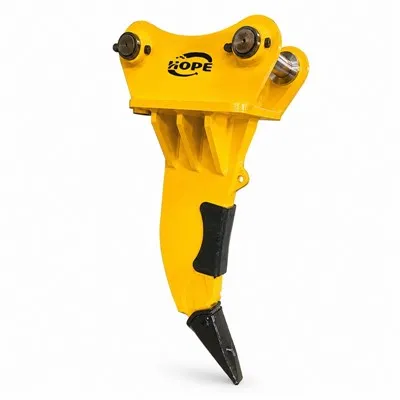
So if you’re ready to make your excavator pull its weight, skip the extra labor, and finish jobs faster, reach out to connect on the best auger attachment for your work. Let’s get your next project done right, no hassle, no wasted time.
Hydraulic Clamp References:
- Construction Equipment Association. (2022). Excavator Attachment Utilization & Productivity Report.
- National Solar Jobs Census. (2023). Ground-Mount Solar Installation Labor Efficiency Data.
- International Society of Arboriculture. (2021). Tree Planting Best Practices for Urban and Residential Landscaping.
- Common Ground Alliance. (2022). Trenchless Utility Installation Safety and Efficiency Guidelines.
Hope Precision Machinery Co., Ltd.
As one of the most professional excavator attachment manufacturers and suppliers in China, we also support customized service. Please feel free to buy high quality excavator attachment for sale here from our factory. For more information, contact us now.
Address: No.8 Shenzhen Street, Development Zone, Yantai,Shandong ,China
E-mail: lulu@hope-breaker.com
WebSite: https://www.hopeequip.com/
