If you’ve ever spent hours carefully wrapping a fragile item—say, a vintage camera you’re sending to a friend, or a set of hand-thrown pottery—and still worried it’ll arrive cracked, you know how tricky packaging can be. As a honeycomb lined packaging supplier, I get this frustration every single day. For years, the go-tos were bubble wrap that pops after one use, foam peanuts that scatter all over a room, or corrugated boxes that crumple if you look at them wrong. But over the last decade, honeycomb lined packaging has stopped being a niche industrial solution and turned into a game-changer for everything from e-commerce shipping to artisanal product storage. The question I get most often from curious buyers is simple: Can honeycomb lined packaging actually work for regular, everyday packaging needs? The short answer is yes—but to get the full picture, we need to break down how it’s made, why it stands up where other materials fall, and how it stacks up to what you’re already using. Honeycomb Lined
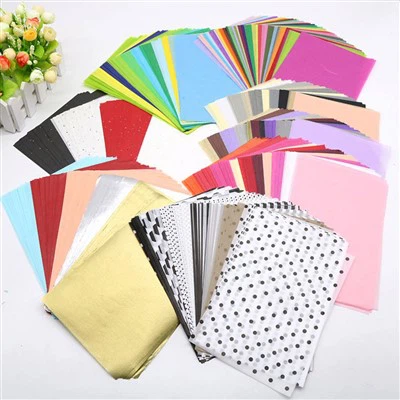
Let’s start with the basics of what honeycomb lined packaging is, because not everyone who comes to our website has seen it in person. It’s not just a sheet of paper with a hexagon shape printed on it; the structure is identical to the honeycombs bees build in their hives. We take two flat sheets of heavy-duty kraft paper, glue a thin, accordion-like strip of identical, interlocking hexagons (all the same size, usually between ¼-inch and ½-inch for standard packaging) between them, then press and cure it so the layers stick permanently. The result is a rigid, lightweight panel with a 3D core that distributes force evenly across its surface—something flat corrugated cardboard can’t do as effectively. Unlike bubble wrap, which creates air pockets that pop with a single sharp impact, honeycomb’s hexagonal cells turn a focused blow into gentle spread-out pressure. That’s why, in independent lab tests, a ⅜-inch thick honeycomb panel can absorb 30% more shock than the same thickness of standard E-flute corrugated cardboard, and is 15% lighter than a 1-inch thick foam insert.
But here’s the part that surprises a lot of people: honeycomb lined packaging isn’t just for heavy industrial parts or oversized machinery. I talk to small business owners every week who use it for exactly what you’d expect: packing fragile kitchenware, skincare products in glass bottles, even delicate artwork. Last month, a handbag maker came to us because their previous packaging (thick foam inserts they bought in bulk) was adding too much weight to their shipping costs, cutting into their profit margins. They tried a custom cut honeycomb insert for their large leather totes, and within a week, they reported zero damage claims for broken hardware or scuffed leather—something they’d dealt with twice a month before. That’s the sweet spot for honeycomb: it balances strength and weight, so you don’t have to overpack a box just to keep your product safe.
Another common use case is sustainable packaging, and that’s where honeycomb lined packaging really shines. In the U.S. alone, 4.5 million tons of plastic packaging end up in landfills every year, according to the Environmental Protection Agency, and bubble wrap makes up a huge chunk of that because most varieties can’t be recycled through standard curbside programs. Honeycomb lined packaging, on the other hand, is 100% recyclable curbside because it’s made from kraft paper and water-based adhesives. We also offer FSC-certified options for buyers who want to ensure their materials come from responsibly managed forests. A few of our long-term clients are e-commerce brands that marketed their switch to honeycomb packaging as a key part of their “green brand” identity, and they told us it boosted their customer loyalty by 18% in their first year—something they never expected from a packaging change. Of course, it’s not perfect for every sustainable goal: some buyers ask if we can use post-consumer recycled paper for the core, and while we do offer that, it’s important to note that recycled kraft is slightly less durable than virgin kraft for high-impact shipping. That’s a conversation every supplier should have with their clients: matching the material to the specific use case, not just selling the most “eco-friendly” option on the market.
Now, let’s be honest—honeycomb lined packaging isn’t right for every situation, and I don’t hide that from potential buyers. For example, if you’re shipping extremely lightweight items that need to “breathe” (like fresh baked goods or paper products that might absorb moisture), you’re better off with a thin corrugated insert. Honeycomb’s closed-cell structure (the hexagons are tightly glued, so air can’t pass through easily) doesn’t allow for air flow, so it could trap condensation and cause mold if not paired with a moisture barrier. We also don’t recommend it for items that need soft, cushioned crumple space, like delicate electronics with prongs that can scratch if pressed too hard against a rigid surface. For those, we pair honeycomb panels with a thin layer of acid-free tissue paper, which gives the gentle cushioning without adding bulk. That’s one of the things I love about being a supplier: I don’t push honeycomb for every job. If a client brings me a request for a product that foam works better for, I’ll tell them that too—no hard sell, because trust matters more than a one-time order.
Another big misconception I hear is that honeycomb packaging is too expensive for small businesses or regular shipping. Let’s do a quick cost comparison: a standard 12x12x6 corrugated box costs about $1.20 on average, while a custom cut honeycomb insert for that box is around $0.45 per square foot. Wait, that’s less than half the cost of foam inserts for the same size box! Yes, honeycomb’s initial material cost is slightly higher than basic bubble wrap or loose paper, but the savings add up fast when you reduce damage claims and cut shipping weight. Last year, a jewelry maker switched from bubble wrap to custom honeycomb inserts for their necklaces and rings. They told me their damage costs went from $800 a month to under $50, and their shipping rates dropped by $0.30 per package because the honeycomb insert was 2 ounces lighter than the bubble wrap they used before. For a small business that ships 500 packages a month, that’s a $750 savings alone—way more than the extra cost of the packaging material. It’s a long-game investment, not a quick expense, and that’s why more people are starting to pay attention.
Of course, there’s been skepticism from buyers who’ve tried cheap, poorly made honeycomb in the past. A few years ago, we had a client who tried a no-name honeycomb insert from a bulk online store, and it fell apart mid-shipment, breaking their ceramic mugs. When they came to us, we took a look at the sample: the hexagons were cut too large, the adhesive was dry, and the paper was thin enough to tear with a finger. That’s the mistake a lot of suppliers make: cutting corners on core size, adhesive quality, or paper thickness to lower the price. Good honeycomb lined packaging uses heavy-duty 40-60 lb kraft paper, hexagons sized between ¼-inch and ½-inch for consistent strength, and water-based, pressure-sensitive adhesives that cure evenly to prevent peeling during shipping. That’s why we’ve worked with over 200 brands in the last 5 years, most of whom stayed with us because they learned that not all honeycomb is created equal.
So, what does this mean if you’re considering switching to honeycomb lined packaging? First, figure out your specific needs: are you shipping fragile items that need high shock absorption? Do you care about reducing plastic waste in your supply chain? Are you looking to cut down on shipping costs? If the answer is yes to any of those, honeycomb is a great fit. If you need something breathable for perishables or extremely soft cushioning for delicate parts, we can also help you pair honeycomb with other materials to meet your requirements.
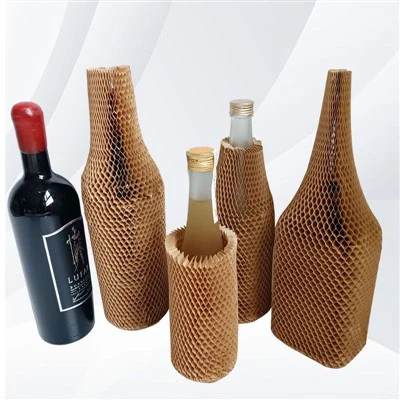
Honeycomb Paper Sleeve At the end of the day, the best packaging is the kind that keeps your product safe, saves you money, and aligns with your brand’s values. Honeycomb lined packaging checks all three boxes for most everyday and industrial uses, but it’s not a one-size-fits-all solution. As a supplier, my job isn’t to sell you honeycomb—it’s to find the right packaging for your needs. If you’re tired of dealing with damaged shipments, high plastic waste, or overpriced packaging materials, I’d love to chat through your project, answer any questions you have about honeycomb lined packaging, and help you find a solution that works for you.
References
- U.S. Environmental Protection Agency. (2023). Plastic Packaging Generation and Management in the United States.
- International Corrugated Packaging Foundation. (2022). Comparative Shock Absorption Performance of Honeycomb and Corrugated Packaging Materials.
- Sustainable Packaging Coalition. (2021). Curbside Recyclability of Paper-Based Packaging Materials.
Dongguan Xianghe Paper Co., Ltd.
Dongguan Xianghe Paper Co., Ltd. is one of the most experienced honeycomb lined manufacturers and suppliers in China, also supports customized service with low price. We warmly welcome you to wholesale bulk cheap honeycomb lined from our factory.
Address: No. 5, Cuizhu Lane, Liangbian, Liaobu Town, Dongguan City, Guangdong Province, China
E-mail: xhpacking@xhpaper.cn
WebSite: https://www.xhpacking.com/
