Removing a waterproof membrane is a task that requires careful planning and the right approach. As a supplier of waterproof membranes, I have witnessed firsthand the challenges and importance of proper membrane removal. In this blog, I will share some in – depth knowledge and practical steps on how to remove a waterproof membrane effectively. Waterproof Membrane
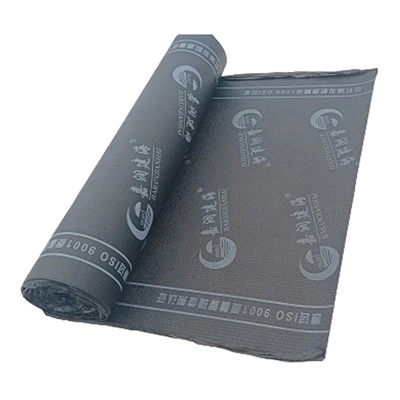
Understanding the Waterproof Membrane
Before diving into the removal process, it’s essential to understand what a waterproof membrane is and why it might need to be removed. Waterproof membranes are materials used to prevent water from penetrating a surface. They are commonly applied in basements, rooftops, bathrooms, and other areas prone to water exposure. Over time, these membranes may deteriorate due to factors such as UV radiation, temperature fluctuations, mechanical damage, or simply old age. When this happens, removal and replacement become necessary to maintain the integrity of the waterproofing system.
There are different types of waterproof membranes available in the market, including bituminous membranes, synthetic rubber membranes, and polymer – based membranes. Each type has its unique characteristics, which can influence the removal process. For example, bituminous membranes are often adhered to the substrate using heat or adhesives, while synthetic rubber membranes may be mechanically fastened or bonded with a special adhesive.
Pre – removal Preparation
Safety First
Safety should always be the top priority when removing a waterproof membrane. Wear appropriate personal protective equipment (PPE), including gloves, safety goggles, respirators, and if working at heights, a safety harness. Ensure proper ventilation in enclosed spaces to avoid inhaling fumes from adhesives or solvents.
Inspection of the Membrane
Conduct a thorough inspection of the waterproof membrane to determine its condition, type, and the extent of damage. This will help you choose the most suitable removal method. Look for signs of delamination, cracking, or blistering. If the membrane has been damaged, it may be easier to remove in sections.
Gathering Tools and Materials
Depending on the type of membrane and its adhesion method, you will need a variety of tools. Common tools for membrane removal include utility knives, scrapers (both flat and putty – type), heat guns, and shot blasters. You may also need solvents or adhesives removers if the membrane is strongly adhered to the substrate. Additionally, have a waste disposal plan in place, as the removed membrane and any associated debris need to be disposed of properly according to local regulations.
Removal Methods
Manual Removal
Manual removal is suitable for small – scale projects or when the membrane is only lightly adhered. Start by using a utility knife to score the membrane into manageable sections. Then, use a scraper to lift the edges of the membrane and gradually peel it away from the substrate. This method is time – consuming but can be effective for membranes that are not firmly bonded.
For more stubborn areas, a putty scraper can provide more leverage. Work slowly and carefully to avoid damaging the underlying surface. If there are any adhesive residues left behind, you can use a solvent or adhesive remover. Apply the solvent to a small area first to test its compatibility with the substrate and then use a cloth or brush to scrub away the residue.
Heat – assisted Removal
Heat guns are commonly used for removing bituminous waterproof membranes. The heat softens the bitumen, making it easier to peel the membrane off. Start by heating a small section of the membrane at a time, keeping the heat gun at a safe distance (usually around 2 – 3 inches) to avoid overheating and causing damage. As the bitumen softens, use a scraper to lift the membrane.
It’s important to note that heat – assisted removal can be dangerous, as it involves working with an open flame or high – temperature equipment. Make sure there are no flammable materials nearby, and follow all safety precautions when using a heat gun.
Mechanical Removal
For large – scale projects or when the membrane is firmly adhered, mechanical removal methods may be more appropriate. Shot blasting is a technique that uses high – velocity steel shots to remove the waterproof membrane and any underlying contaminants. This method is fast and efficient but can be quite noisy and may require specialized equipment.
Another option is using a scarifier or a grinder. These tools can cut through the membrane and break it into smaller pieces for easier removal. However, mechanical removal methods can also cause damage to the substrate if not used properly. Therefore, it’s crucial to adjust the equipment settings according to the type of substrate and the thickness of the membrane.
Post – removal Cleanup
Once the waterproof membrane has been removed, it’s important to clean the substrate thoroughly. This will ensure proper adhesion of the new membrane. Use a broom or a vacuum cleaner to remove any loose debris, dust, or particles. If there are any remaining adhesive residues, apply a suitable cleaner and scrub the surface with a brush. Rinse the area with clean water and allow it to dry completely before proceeding with the installation of a new waterproof membrane.
Choosing the Right Replacement Membrane
As a waterproof membrane supplier, I highly recommend carefully selecting the replacement membrane. Consider factors such as the type of application, environmental conditions, and durability requirements. Different membranes have different properties, such as UV resistance, flexibility, and chemical resistance. For example, if the membrane will be exposed to direct sunlight, choose a membrane with high UV resistance. If the area is subject to movement, a flexible membrane is a better choice.
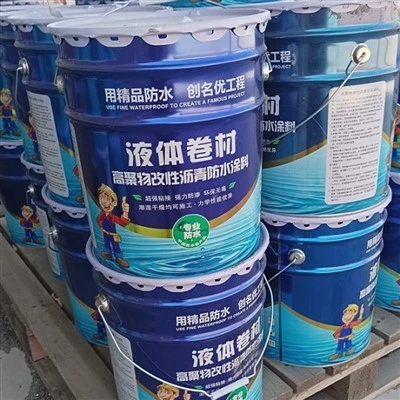
It’s also important to ensure that the installation of the new membrane is carried out by professionals or following the manufacturer’s guidelines. A properly installed waterproof membrane will provide long – lasting protection and peace of mind.
Conclusion
Waterproof Membrane Removing a waterproof membrane is a complex but necessary task in maintaining the waterproofing integrity of a structure. By understanding the type of membrane, taking appropriate safety measures, choosing the right removal method, and properly cleaning the substrate, you can ensure a successful removal process. If you are planning to replace the old membrane, I encourage you to reach out to us. As a trusted waterproof membrane supplier, we have a wide range of high – quality membranes to suit your specific needs. Whether you are working on a residential or commercial project, our team of experts can provide you with professional advice and assistance. Don’t hesitate to contact us for more information and to start a procurement discussion.
References
- Annual Book of ASTM Standards (ASTM International). Various standards related to waterproofing membranes and their removal techniques.
- "Waterproofing and Damp – proofing: Design and Practice" by John Macdonald. Covers theoretical and practical aspects of waterproof membrane removal and replacement.
- Technical guides provided by leading waterproof membrane manufacturers which include details on membrane types, installation, and removal.
Dingzhou Jiarun Jianhai Waterproof Materials Co., Ltd.
As one of the most professional waterproof membrane manufacturers and suppliers in China, we offer a wide range of products with superior quality. Please feel free to wholesale customized waterproof membrane made in China here from our factory. Also, pricelist is available.
Address: Shijiatuan, Mingyuedian Town, Dingzhou City, Baoding City, Hebei Province
E-mail: Jrjh16888@163.com
WebSite: https://www.jrjhwp.com/
