Hey there! I’m from a resistance tester supplier, and today I wanna share some tips on how to use a resistance tester to test a power resistor. Whether you’re a DIY enthusiast or a professional in the electronics field, knowing how to properly test power resistors is super important. Resistance Tester
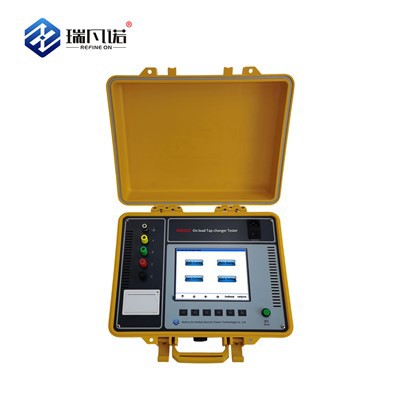
First off, let’s talk about what a power resistor is. A power resistor is designed to handle large amounts of electrical power. They’re used in all sorts of applications like power supplies, amplifiers, and motor control circuits. And a resistance tester? Well, it’s a handy device that measures the resistance of an electrical component like a power resistor.
Getting Ready to Test
Before you start testing, you gotta make sure you’ve got everything you need. Obviously, you’ll need a resistance tester. I mean, that’s a no – brainer! And of course, the power resistor you want to test. It’s also a good idea to have some safety gear, like anti – static wrist straps. This helps prevent any static electricity from damaging the components.
When you’re setting up your testing area, pick a clean, dry place. Avoid areas with a lot of electrical interference, like near big motors or transformers. You don’t want that interference to mess up your test results.
Understanding the Resistance Tester
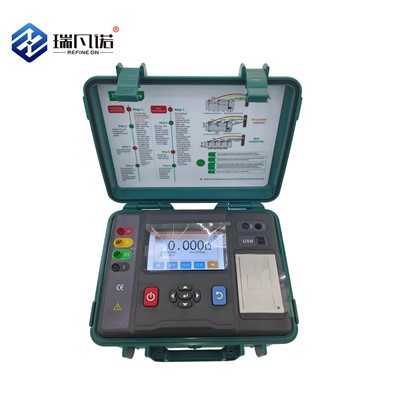
Now, let’s take a look at the resistance tester. Most resistance testers have a few basic parts. There are the probes, usually red and black. The red probe is the positive one, and the black one is negative. Then there’s the display, where you’ll see the resistance values. And there are often control buttons that let you switch between different measurement ranges.
It’s important to know how to set the right measurement range on your tester. If you set it too low, the tester might get overloaded and give you bad results or even damage the tester itself. If you set it too high, you may not get an accurate reading. Most testers have an auto – range feature, which is really convenient. It automatically selects the right range for the resistance you’re measuring.
Testing the Power Resistor
Okay, now it’s time to test the power resistor. First, make sure the power is off in the circuit where the resistor is located. You don’t want to get electrocuted, and testing a live resistor can also give you inaccurate results.
Take your resistance tester and turn it on. If your tester has an auto – range function, just leave it on that. If not, you may need to estimate the resistance of the power resistor and set the appropriate range on the tester.
Connect the probes to the terminals of the power resistor. It doesn’t matter too much which probe goes to which terminal for a simple resistance measurement, but for consistency, you can follow the convention of red to the positive side and black to the negative side.
Once the probes are connected, the tester will display a resistance value. Compare this value to the rated resistance of the power resistor. The rated resistance is usually printed on the resistor itself. There might be a small tolerance, which is also indicated. For example, if a resistor is rated at 100 ohms with a 5% tolerance, the acceptable range of resistance is from 95 ohms to 105 ohms.
If the measured value is outside this tolerance range, it could mean that the resistor is damaged. It could also be due to high temperatures or other environmental factors. In some cases, you might need to test the resistor again after it has cooled down.
Special Cases and Troubleshooting
Sometimes, things don’t go as smoothly as planned. For example, if you’re getting a reading of zero ohms, it could mean that the resistor is short – circuited. This might happen if there’s a manufacturing defect or if the resistor has been physically damaged.
On the other hand, if you’re getting an "OL" (open – loop) or "infinite" reading, it could mean that the resistor is open – circuited. That is, there’s a break in the resistor’s internal structure. This could be caused by overheating or excessive current.
If you’re having trouble getting a stable reading, check the connections of the probes. Make sure they’re firmly attached to the resistor terminals. Also, check for any signs of corrosion or dirt on the terminals, as this can affect the measurement.
Why Accurate Testing Matters
Accurate testing of power resistors is crucial for a few reasons. In a power supply circuit, for example, if a power resistor has a wrong resistance value, it can affect the output voltage and current. This can lead to malfunctions in the devices that are powered by the supply.
In an amplifier circuit, an incorrect resistance in a power resistor can change the gain of the amplifier. This can result in poor audio quality, like distortion or low volume.
So, by using a resistance tester to accurately test power resistors, you can ensure that your electronic circuits work as they should.
Conclusion and Call to Action
Well, that’s all about how to use a resistance tester to test a power resistor. I hope you found this blog helpful. If you’re in the market for a high – quality resistance tester, we’ve got you covered. Our testers are reliable, easy to use, and come with great customer support.
Transformer Tester If you’re interested in learning more about our resistance testers or want to discuss your specific needs, feel free to reach out. I’m here to answer any questions you might have. Whether you’re a small electronics shop or a large manufacturing company, we can find the right solution for you.
References
- Electronics For Dummies by Gordon McComb
- The Art of Electronics by Paul Horowitz and Winfield Hill
- Electronic Components and Technology Handbook by C. A. Harper
Refine On (Hebei) Electric Power Technology Co., Ltd.
Refine On (Hebei) Electric Power Technology Co., Ltd. is one of the most reliable resistance tester manufacturers and suppliers in China, also supports customized service. Please feel free to wholesale advanced resistance tester at competitive price from our factory. Contact us for quotation.
Address: Building 13, Liandong U Valley, No.64, Jing SAN South Street, Economic Development Zone, Mancheng District, Baoding City, China
E-mail: victor@transformer-test.com
WebSite: https://www.transformer-test.com/
