Alright, let’s cut to the chase. If you’ve ever walked through a busy hospital ED at 2 a.m., you know healthcare isn’t just about doctors and nurses—it’s about systems that keep the chaos from spiraling. And as a medical device supplier, I’ve seen firsthand how the wrong gear can turn a smooth shift into a nightmare, while the right stuff? It feels like magic. Let’s talk about how medical devices actually shape (and save) healthcare workflows, not just as tools, but as the backbone of what makes teams get things done. Medical Devices
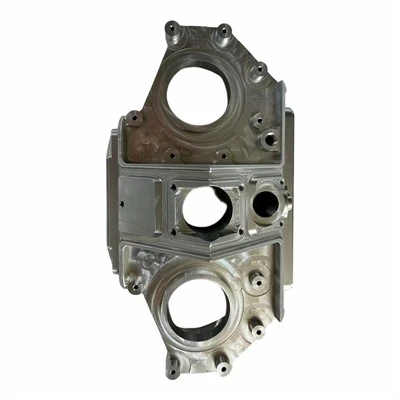
First off, let’s get real about the biggest workflow pain point hospitals face: time. Every second counts, and when a nurse’s entire shift is spent hunting for a working EKG machine instead of updating a patient’s chart, that’s not just an inconvenience—it’s a delay in care. A few years back, we hooked up a 12-lead EKG system to a local clinic’s EHR (electronic health record) and watched the shift from chaos to calm. Before that, their old device spit out a paper printout, a nurse had to carry it to a desk, manually type in the patient’s name and vitals, and fax it to the cardiologist. That process? Took 20 minutes, at minimum. Now? The new device sends the EKG data straight to the cardiologist’s portal while the patient is still on the table. The nurse spends 5 minutes prepping the machine, 2 minutes running the test, and gets back to their other patients. We saw their ED volume jump 15% in six months because they stopped wasting time on admin nonsense. That’s the kind of impact no one talks about enough—devices that shrink administrative bloat so frontline teams can focus on people, not paperwork.
But here’s the thing: not all devices fix workflows. Some add layers. I’ve been to hospitals where they bought a fancy new infusion pump that required four separate logins—one for the nurse, one for the pharmacy, one for the care team, and one for the hospital’s IT team. All during a code blue? Forget it. A nurse told me once that she skipped logging in the last time she used it because her patient was crashing, and she’d rather face a fine than have the pump beep nonstop and waste 30 seconds fumbling with passwords. That’s a workflow killer. Good devices have to work with existing systems, not against them. That’s why when we design our stuff, we don’t start with “what’s the coolest tech?” We start with shadowing a nurse on a night shift. I’ve stood in patient rooms at 1 a.m. while a nurse juggles a glucose monitor, a pulse oximeter, and a tablet that keeps freezing, and it’s clear: redundancy is the enemy. If a device can sync directly to their existing EHR, no extra steps, no separate batteries, no 10 different apps to open? That’s a win.
Another big one: remote monitoring. Post-pandemic, so many hospitals are shifting to outpatient care, and medical devices are making that possible. Last year, we rolled out a home blood pressure monitor that syncs with a patient’s phone and sends data straight to their primary care provider’s dashboard. Before that, patients had to come in every month for a check-in, which meant taking time off work, sitting in a waiting room for hours, and missing appointments because they forgot. Now? The provider gets an alert if the blood pressure is too high or too low, so they can reach out before a crisis. We worked with a clinic in rural Ohio that saw their hypertension-related hospitalizations drop 22% in a year. But here’s the workflow angle: the clinic’s care team didn’t have to manually enter 500 blood pressure readings a month. The device does that. So their nurse case managers stopped spending 8 hours a day on data entry and started doing home visits to check on patients who actually needed it. That’s reallocating work, not just cutting it.
Wait, let’s talk about code scenarios too—those split-second moments where workflow can make or break a patient. A few months back, a hospital we partner with had a cardiac arrest in the ED. Their code team grabbed our portable defibrillator, which had a built-in CPR timer and syncs with the crash cart’s tablet. The paramedic reported back that before they started using our device, they’d fumble for the paddles, enter the patient’s weight manually, wait for the machine to charge, and try to remember when the last compression cycle was. This time? The defibrillator auto-detected the patient’s weight from their chart, the charge button was within arm’s reach, and the timer counted down the 2 minutes of CPR so the team didn’t have to yell it out. The code was over in 18 minutes—way faster than the average 25 for their unit. That’s workflow optimization in its rawest form: a device that eliminates the tiny, easy-to-miss steps when every second is critical.
But let’s not gloss over the not-so-perfect parts. I’ve heard from so many facility managers that new medical devices mean training. And if training is a last-minute, 2-hour Zoom call on a Sunday night, that’s a workflow hit. A nurse who’s used a basic pulse oximeter for 10 years doesn’t want to learn a whole new machine’s 10 extra buttons when they’re already swamped. So we adjusted our approach: we include in-person “lunch and learn” sessions for the entire unit, not just a single trainer, and we have a 24/7 hotline that connects nurses directly to our techs—no pressing 1 for English, 2 for billing. One hospital told us their new infusion pump training cut down on device-related errors by 40% because they practiced on the actual unit during their shift, not on a dummy device in a conference room. Training isn’t a one-time task—it’s part of the workflow, and if you make it easy, no one resists.
Also, let’s talk about device interoperability. I can’t tell you how many times a hospital has bought a new monitor, only to realize it won’t talk to their EHR, their pharmacy system, or their lab results. That means a nurse has to copy data from the monitor to a sheet of paper, then type it into the EHR later—double work, double the chance of error. We spent two years updating our product line to be HL7 compliant (that’s the standard for medical data sharing, for the new folks) because we saw how much friction it caused. After the switch, a local urgent care clinic reported that their nurses cut down on documentation time by 30% per shift. That’s not a small win—over a week, that’s an extra 10 hours a week of care time for patients.
Wait, what about smaller facilities, like rural clinics or small private practices? They don’t have big IT teams to troubleshoot device issues. A single nurse might be the entire IT and operations team. So devices that are plug-and-play are non-negotiable. I had a client in Wyoming, a 5-provider clinic, who had a old ultrasound machine that took 20 minutes to set up every time they used it, and they had to call a tech every month to fix it. We replaced it with our compact ultrasound that connects to a standard laptop, no extra cables, auto-syncs to their EHR. They told me now they can do same-day ultrasounds for pregnant patients, instead of sending them 2 hours away to the nearest hospital. That’s a workflow change that actually expanded their services, not just made existing work faster.
Let’s get personal here. I started in this industry 12 years ago, working in a hospital supply closet. I’d watch nurses fight over a working blood pressure cuff, or curse because their glucose meter was out of strips. So when I started our device supply arm, I made a promise: we don’t sell just gear, we sell solutions. And that means understanding workflow isn’t a buzzword—it’s the difference between a nurse going home at a reasonable hour and burning out, or making a mistake that affects a patient. Last month, a pediatric clinic told us that after switching to our portable pediatric EKG, their child wait times dropped by 25% because they didn’t have to move a 5-year-old with anxiety to a separate room for the big machine. Our device is smaller, quieter, and has a kid-friendly screen—so the test happens in the exam room, no meltdowns, no extra steps. That’s workflow that puts patients first, too.
Of course, there are challenges. Supply chain delays, right? A few years back, we had a backlog on our portable oxygen concentrators, and a hospital in Florida was short 10 units right as hurricane season hit. They were using old, bulky concentrators that required two people to move, and with patients evacuating, that was a disaster. We were able to ship a temporary batch of our newer, lighter concentrators that same week, and the hospital reported that their staff moved patients 30% faster during evacuations. But it’s not just about having the device—it’s about being flexible. That’s another part of workflow: reliability. If a device is broken for two days, that’s two days of messed up schedules, overtime for staff, and delayed care. So we keep a regional inventory of our top-selling devices, so we can replace a faulty unit in 24 hours, not a week. That’s not a sales tactic—that’s part of supporting their workflow.
Now, let’s talk about the future. AI-powered devices are coming, right? I’ve tested a few of our new devices that use AI to flag irregular heart rhythms during EKGs, before a doctor even looks at it. The idea is that the device saves the doctor time by pointing out what’s important. But here’s the catch: if that AI is too sensitive, it’ll flag 100 false alarms a day, and the nurse will start ignoring it, leading to missed real issues. We tested this with a cardiac unit, and they told us their old EKG had 15 false alarms a day, so they stopped checking half of them. Our AI EKG cut false alarms by 80%, so the nurse now trusts the alerts, and spends 10 minutes less a day sorting through fake issues. That’s the right way to integrate tech into workflow—don’t add noise, reduce it.
At the end of the day, medical devices aren’t just metal and code. They’re tools that either make a healthcare team’s job easier, or harder. As a medical device supplier, my whole gig is listening to the people on the front lines—not the C-suite, not the marketing team. I shadow shifts, I eat lunch with nurses, I take their calls at 8 p.m. when their new device won’t sync. Because if a device doesn’t work with their workflow, it’s useless. It doesn’t matter how fancy it is. If it adds more work, if it causes more frustration, if it takes time away from patients—then we’re failing.

If you’re a healthcare administrator, nurse, or IT lead tired of devices that throw your workflow off, we’re here to help. We don’t do one-size-fits-all; we work with your team to figure out what you actually need, not what’s new. Reach out to talk through what’s slowing you down, and we’ll show you how our devices can make your shifts smoother, your care better, and your team less burnt out.
Electronic Information Equipment Components References:
- Agency for Healthcare Research and Quality. (2022). Medical Device Interoperability: Impact on Clinical Workflow and Patient Outcomes.
- Institute for Healthcare Improvement. (2021). Reducing Administrative Burden in Acute Care Settings: The Role of Integrated Medical Devices.
- World Health Organization. (2020). Medical Device Workflow Optimization in Resource-Limited Healthcare Facilities.
- Journal of Healthcare Engineering. (2023). Portable Medical Devices and Emergency Department Workflow Efficiency.
- American Nurses Association. (2022). Clinician Burnout: Workflow Factors Mitigated by Technology.
Dongguan Yixin Metal Products Co., Ltd.
With abundant experience, we are one of the most professional medical devices manufacturers and suppliers in China. Please rest assured to wholesale advanced medical devices made in China here from our factory. Good service and quality products are available.
Address: No.172, Daxing Road, Yangwu, Zhen, Dongguan City, Guangdong Province, China
E-mail: Chengxingfeng123@163.com
WebSite: https://www.zgdgyixin.com/
