As a metal forgings supplier who’s spent the last 12 years walking factory floors, inspecting billets, and troubleshooting forging presses with teams that’ve been perfecting the craft for generations, I get asked one question more than any other: “What is forged steel even used for? Most people I talk to have a vague idea it’s strong, but that’s about it—they don’t realize it’s the backbone of the systems that keep daily life running, even when you don’t see it. Let’s break this down beyond the generic “it’s durable” line, because forged steel isn’t just a material—it’s a solution designed for the hardest, most unforgiving jobs on the planet. Metal Forgings
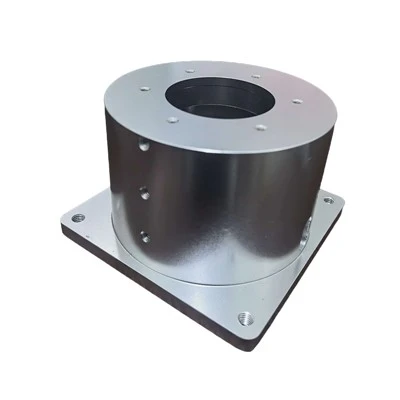
First, let’s cut through the confusion between forged steel and other steel products. When you cast steel, you pour molten metal into a mold, and while it works for mass-produced parts, it leaves tiny gaps and inconsistencies in the grain structure. Forging? That’s heating a solid steel billet to just below its melting point, then hammering or pressing it into shape with thousands of pounds of force. That compression packs the steel’s grains tight, aligning them in the direction of the part’s stress points instead of leaving them random. The result is a part that’s 20-50% stronger than cast equivalents, with far better resistance to fatigue, impact, and extreme temperatures. For someone like me, that difference isn’t theoretical—it’s the reason a component holds up for 30 years instead of failing in 5.
Now, let’s talk real-world applications, starting with the industries where forged steel isn’t just preferred—it’s non-negotiable. Take the energy sector, for example. Whether it’s a wind turbine blade hub, a oil and gas drilling tree, or a nuclear reactor pressure vessel, these parts can’t afford to fail. Wind turbine hubs spin at 150 mph in 100 mph winds, handling constant torque and extreme cold at 300 feet above ground. We supply forged hubs that outlast the turbine itself; I’ve had clients tell us their first set of hubs from our forgings are still running after 28 years, while their cast hubs from another supplier needed replacement at 12. For offshore oil rigs, forged steel is used in blowout preventers (BOPs)—the fail-safe that seals a well if pressure spikes. A BOP failure is catastrophic, so the BOP’s core components are forged from high-strength alloy steel, tested to withstand 15,000 pounds per square inch of pressure and the force of a 500-ton blowout. Even in solar, forged steel is used in tracker arms that follow the sun across the sky every day, their forgings resisting corrosion from salt air in desert climates and rain in coastal regions.
Next, transportation. You might not notice it when you drive over a bridge or board a train, but the critical parts holding those systems together are forged steel. For railway, forged steel is used in axles, couplers, and wheel hubs. A train axle carries 50 tons of cargo at 70 mph, stopping and starting repeatedly, so fatigue resistance is key. We’ve had a client run a fatigue test on a custom forged axle we made that withstood 12 million load cycles before showing a micro-fracture—cast axles would’ve failed at 2 million, easy. For automotive, while many parts are now cast, high-performance cars, heavy-duty trucks, and electric vehicles rely on forged steel for engine crankshafts, connecting rods, and drivetrain components. Electric vehicles (EVs) are a growing area right now; the weight of their batteries means the chassis and suspension need extra strength without adding unnecessary pounds. Forged steel’s high strength-to-weight ratio makes it perfect here—we’re currently working with EV manufacturers on forged control arms that cut weight by 18% while doubling impact resistance compared to cast aluminum. Even aerospace? Forged steel is used in landing gear parts, which have to absorb 10 times the force of gravity when a 150,000-pound plane lands. Our team has supplied forged landing gear strut components to private aerospace firms, and the testing process is rigorous—every part goes through a magnetic particle inspection to catch even the tiniest flaw before it leaves our facility.
Then there’s the heavy machinery and construction sector, which is where I got my start. Excavator buckets, bulldozer blades, crane hooks, and pipeline valves—all these parts take a beating every single day. A crane hook holding 50 tons of steel beams has to bend and flex without breaking, and a forged hook will bend before it breaks, giving workers time to secure the load, while a cast hook would snap without warning. Last year, we got a call from a pipeline company that had a cast valve body rupture in a frozen field, spilling 200 gallons of crude oil. They switched to our forged steel valve bodies, and in the two years since, we haven’t had a single failure. For construction, forged steel is also used in structural bolts and anchor bolts for bridges and skyscrapers. When the Empire State Building was built, they used forged steel rivets—modern skyscrapers still use forged steel for their core structural components because it can handle the constant shift of wind and the weight of hundreds of floors.
But wait, it’s not just big, industrial parts. Forged steel is also in everyday items you use without thinking. The wrenches in your toolbox? Most are forged steel—you can whack them with a hammer and they won’t break, unlike a cheaper cast wrench which will crack. The base of your cast iron skillet? Many heavy-duty ones use a forged steel core for even heating and durability, so they don’t warp after years of use. Even the gears in a washing machine or dishwasher, the crank in a lawn mower engine—all use forged steel for the same reason: it lasts.
Now, let’s talk about why we (as a metal forgings supplier) get asked so often to work with clients who’ve had bad experiences with cast or machined parts. A lot of small to mid-sized manufacturers used to opt for cast parts because they’re cheaper upfront, but they don’t account for the cost of downtime, repairs, and replacement. For example, a construction company that uses a cast excavator bucket might have to replace it every 18 months, while a forged bucket from us lasts 5-7 years. The total cost of ownership? The forged bucket is actually 30% cheaper over time. That’s the value of forged steel—it’s an investment, not a quick purchase.
We also work closely with clients to customize forgings for specific needs. Not all forged steel is the same—we use different alloys: carbon steel for general strength, alloy steel for high heat or impact, stainless steel for corrosion resistance. If a client needs a part for a subsea pipeline in salt water, we’ll use a forged stainless steel that resists rust and salt damage. If they need a part for a furnace that runs at 1,200 degrees, we’ll use a heat-resistant alloy forged steel that doesn’t soften under extreme heat. Our team can also adjust the forging process—hot forging, cold forging, open die forging—to get the exact grain structure and shape a part needs. Open die forging, for example, is for large parts like turbine shafts or crane hooks, where we hammer the steel into shape piece by piece instead of using a die, allowing for custom sizes up to 100 feet long.
I should also mention quality control—forged steel is only as good as the process that makes it. Every batch we make goes through non-destructive testing: ultrasonic testing to check for internal flaws, magnetic particle testing to catch surface cracks, tensile testing to measure strength. We don’t ship a part until it passes every test, because I’ve seen what happens when a faulty component gets in the field. A few years back, a competitor sent a forged turbine hub that didn’t get proper testing; it failed after 3 years, taking the turbine down for 6 weeks. We now do double inspections on all energy sector parts to make sure that never happens to our clients.
Now, if you’re reading this, you might be an engineer designing a new component, a procurement manager tired of frequent part failures, or a business owner looking for a more durable solution. If you’re still wondering if forged steel is right for your application, the answer is almost always yes if your part needs to stand up to stress, heat, impact, or long-term use. Cast parts might be cheaper, but they’re a false economy. Machined parts? They’re good for precision, but they don’t have the grain strength of forged steel.
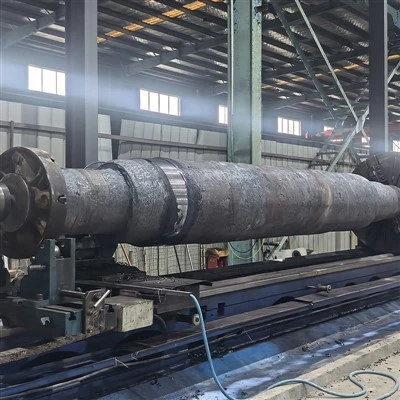
At the end of the day, every part we forge is built with the same mindset that our team has had for generations: make something that will outlast the job it’s meant for. If you need a metal forgings solution, whether it’s a custom turbine hub, an excavator bucket, a valve body, or any other component, we’d be happy to walk through your needs, discuss material options, and provide a quote for your project. Don’t settle for parts that will fail when you need them most—forged steel is the reliable backbone you can count on.
Metal Forgings References:
- International Organization for Standardization. Forging – General Principles and Terminology. ISO 6927:2012.
- American Society of Mechanical Engineers. Forged Steel Pressure Vessels for General Service. ASME BPVC Section VIII, Div. 1.
- The Fabricators & Manufacturers Association. Forging 101: Understanding the Benefits of Forged Components. FMA Technical Paper, 2021.
- Steel and Iron Institute. Microstructural Improvements in Forged Steel: Impact on Fatigue Life. SII Research Report, 2019.
Sanming Hongfeng Machinery Manufacturing Co., Ltd.
As one of the most professional metal forgings manufacturers and suppliers in China, we’re featured by quality products and good service. Please rest assured to wholesale customized metal forgings made in China here from our factory. Welcome to contact us for quotation.
Address: No.2 Gaoyuan Industrial Zone, Chenda Town, Sanyuan District, Sanming City, Fujian Province, China
E-mail: smhfjxzsq@163.com
WebSite: https://www.smhfmachinery.com/
