Hey there, if you’re deep in the game of fixing up your Nissan—whether it’s a daily commute, a weekend off-roader, or a vintage gem you’ve had for years—you’ve definitely wondered this at some point. Last month, I had a buddy hit me up panicking because he thought he’d dropped $800 on a “genuine Nissan engine crankshaft” from a random eBay seller, only to find out it was a knockoff that seized up three days later. His whole weekend trip got axed, and he was out even more cash to fix the mess that cheap part caused. That’s why I’m spilling the tea on where you can actually get real Nissan engine parts, straight from someone who’s been doing this long enough to spot the fakes from a mile away. Nissan Engine Parts
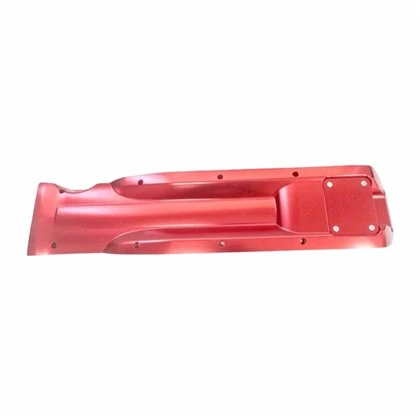
First off, let’s get one thing straight: not all “genuine” parts are created equal, and a lot of what you see online labeled as OEM is garbage. I run a Nissan engine parts supply business, so I deal with this stuff day in and day out, and I’ve seen every trick in the book—copycat part numbers, recycled core parts passed off as new, even parts that don’t fit right because the molds are off. Real genuine Nissan parts aren’t just made by Nissan; they follow super strict specs that knockoffs can never hit, even if they look almost identical at first glance.
Let’s start with the easiest, most straightforward option: the official Nissan dealership. Yeah, I know what you’re thinking—“dealer parts are hella expensive.” They can be, no lie. But here’s the tradeoff: when you buy from a dealership, you’re 100% guaranteed you’re getting the real deal. They source directly from Nissan’s manufacturing facilities and authorized distributors, so those parts come with Nissan’s official warranty. I once had a customer bring in a timing belt he bought from a dealership for his 2015 Altima, and we cross-checked the batch number—it lined up exactly with the production run Nissan used for that model year. That kind of traceability is next-level, and it’s why dealers are a solid pick if you want zero headaches. But if you’re on a budget, dealerships might not be your move, especially for older models. For example, if you need a fuel injector for a 1998 Hardbody, some smaller dealerships might not even stock it, so you’ll have to special order it and wait a week or two.
Next up, authorized Nissan parts distributors and retailers. These are companies that Nissan has vetted to sell genuine parts, and they’re way more likely to have stock for both new and vintage Nissans than dealerships. I’m one of these distributors, fwiw—we partner directly with Nissan’s global supply chain to get parts, so we don’t mess around with third-party knockoff suppliers. The cool thing about going with an authorized distributor like us is that you don’t have to pay the dealership markup, but you still get that same genuine part assurance. Last quarter, we had a guy reach out who had a 1972 Datsun 240Z, a super rare model, and he couldn’t find a genuine camshaft anywhere else. We had a core part from a retired engine we’d sourced directly from Nissan’s classic parts archive, and once he put it in, his car ran better than it had in 20 years. Another perk of authorized distributors is that they often have way bigger inventory for hard-to-find parts, so you don’t have to wait as long or settle for something that doesn’t fit.
Now, let’s talk about what you should avoid at all costs: random online marketplaces, local auto parts shops that aren’t affiliated with any authorized network, and even some big-box stores that slap “compatible” or “aftermarket” on their parts. Wait, hold up—“aftermarket” isn’t always bad, right? Yeah, some high-quality aftermarket parts are made specifically for Nissans, but the keyword is “high-quality.” The problem is when sellers label cheap, no-name aftermarket parts as “genuine Nissan OEM” to jack up the price. I saw a listing on Facebook Marketplace last week for a set of valve springs for a 2021 Rogue, advertised as genuine OEM, that were half the price of what we sell. The seller even posted a photo of a Nissan part number, but if you look closely, the number was smudged and modified—easy way to spot a fake. Knockoff parts are dangerous too, especially for engine components. A bad piston or a faulty water pump can blow your whole engine, cost you thousands, and even put you at risk on the road. My buddy who bought that fake crankshaft? He totaled the engine in his Altima, and he ended up paying $3,500 to replace it—way more than he would’ve spent on a real crankshaft from us in the first place.
Wait, what about core parts or used parts? A lot of people get on board with used parts because they’re cheaper, but you have to be super careful here. If you’re buying a used engine or a long block, make sure the seller can prove its origin—like it was pulled from a running Nissan of the same year and model, and they can give you part numbers or service records. We actually sell genuine used core parts too, but we test every single one before we list it, so you know it’s not damaged. There are also reputable junkyards that specialize in Nissan parts, especially for classic models. I’d say stick to junkyards that post photos of the parts and their condition online, and ask for a warranty—even a 30-day one is better than nothing. I once had a customer who bought a used alternator from a junkyard for his 2006 Sentra, and it died two weeks later; the junkyard refunded his money, but he still had to pay a mechanic to swap it again. That’s the kind of hassle you can avoid by going with a trusted source.
Another pro tip: always check the part number. Nissan part numbers are super specific, and every genuine part has a unique number that’s stamped on it. Knockoffs usually have part numbers that are close, but not exact—like a 1 or 2 digit difference. For example, a genuine oil pump for a 2018 Titan is 15010-EZ30A, and a fake one might be 15010-EZ30B. It’s a tiny difference, but it’s enough to make the part not fit or work right. Also, check the packaging. Genuine Nissan parts come in packaging with the Nissan logo, part number, and a barcode that links to Nissan’s official inventory system. If the packaging looks flimsy, has typos, or doesn’t have that barcode, it’s fake. I keep a small part number cheat sheet on my phone for all the common Nissan models we sell, so I can cross-check any part number someone sends me in 10 seconds.
Now, let’s circle back to why I know this stuff so well. Like I said, I run a small-scale Nissan engine parts supply business, so I’m not some big corporate guy—my dad started this back in 1995, when Nissans were just becoming popular in the US, and we’ve built our whole reputation on only selling genuine parts. We don’t deal in knockoffs, and we don’t cut corners on sourcing. All our parts come directly from Nissan’s authorized distribution centers, and we test every single engine component before it leaves our warehouse. We work with everyone from DIYers working on their driveway to small auto shops that need parts for their customers, and we always make sure our prices are fair—way cheaper than dealerships, but still worth every penny because you know the part will last.
I know a lot of you are probably DIYers who are working on a tight budget, and I get that—who wants to drop $500 on a fuel injector when you could get something “similar” for $150? But I’m here to tell you that the money you save upfront is almost always eaten up later when that cheap part breaks. Last year, we had a guy who tried to put a fake timing belt on his 2017 Pathfinder; it snapped 1,000 miles later, bent the valves, and he had to replace his whole engine. He ended up coming to us for a genuine replacement, and he said he’d rather paid double the price for the first one than go through that mess again.
So, to wrap this up: if you want genuine Nissan engine parts, your best bets are official Nissan dealerships, authorized Nissan parts distributors (like our business, fyi), and reputable, specialized junkyards that can prove their parts’ origins. Skip the random online marketplaces, no-name auto shops, and parts labeled as “genuine” that are way cheaper than everyone else. Always check the part number, the packaging, and ask for proof of authenticity.

If you’re working on a project, whether it’s a daily driver, a classic Datsun, or a race car, and you need genuine Nissan engine parts, hit us up. We can help you track down hard-to-find components, answer any questions you have about part numbers or sourcing, and make sure you get exactly what you need to get your Nissan running right. No sales pressure, no hidden fees—just honest advice and real parts. Happy wrenching!
TOYOTA Engine Parts References
Nissan Motor Co., Ltd. Genuine Parts & Accessories: Quality Assurance Standards.
Automotive Aftermarket Industry Association. OEM vs. Aftermarket Parts: Consumer Guide.
S. Department of Transportation. Counterfeit Auto Parts Safety Risks Report.
RCH Precision Machinery Co., Ltd.
With abundant experience, we are one of the most professional nissan engine parts manufacturers and suppliers in China. We warmly welcome you to buy high quality nissan engine parts at competitive price from our factory. If you have any enquiry about cooperation, please feel free to email us.
Address: No.71 Zhennan 3 road Tong’an Area Xiamen, Fujian, China
E-mail: mike@rchxm.com
WebSite: https://www.rchxm.com/
