Hey everyone, if you’ve ever been stuck in a lift – and let’s be real, most of us have, at least once – the first thing that pops into your head is probably “wait, how do I get out of here safely?” As a passenger lift supplier, I’ve answered this question a hundred times for homeowners, building managers, even regular folks who’ve Googled it at 2 a.m. after a random lift scare. Today, I’m breaking down the real, emergency exit options that actually exist in passenger lifts – no clickbait, no jargon, just the stuff that matters when you’re in a tight spot (literally). Passenger Lifts

First off, let’s get one thing straight: lifts aren’t designed to fall out of the sky like you see in movies. That’s a myth we still have to kill, and it’s why people panic more than they need to. Modern passenger lifts have brakes, steel cables (tons of them, not just one), and hydraulic systems that won’t fail out of the blue. But sometimes, they do get stuck between floors – that’s the most common emergency, and that’s where exit options come in.
Let’s start with the most accessible one for regular people: the emergency intercom. This isn’t just a fancy speaker that plays elevator music when you press it. Every passenger lift we supply has a 24/7 connected intercom – it’s hardwired to the building’s security desk AND the lift maintenance team, not just some random line that cuts out if the power flickers. If you’re stuck, don’t yell or bang on the walls (that’s actually how you damage lift components, by the way). Just press the big red button, say your location (like, “I’m stuck between 3rd and 4th floor in the west lobby lift”) – that’s all the team needs to find you fast. Most people don’t even know that the intercom has a backup battery that lasts 72 hours, so even if the main power cuts entirely, you can still reach out. This is always your first move, no exceptions.
But what if the intercom stops working? Rare, but it happens – wiring can get frayed, or the speaker might die. That’s where the next set of options comes in, and this is the stuff building managers and lift operators should know, but passengers should too. First, the top hatch access – wait, not every lift has one, right? Actually, all passenger lifts over a certain capacity (usually 6 people or more) are required by safety standards to have a roof hatch. It’s a rectangular panel, not super big, big enough for one person to climb through. Important note: you don’t pry this open on your own unless you have zero other options. Why? Because the lift could move suddenly – if you’re standing on the roof, a small shift could make you lose your balance or get crushed between the hatch and the floor above. The maintenance team will use their lift keys to “park” the lift level with the ceiling of the floor above, so the hatch leads straight to a safe landing. Only climb out if you can see that the floor is right there, and never, ever lean all the way out – hold onto the hatch frame the whole time.
Wait, what about the doors? That’s another big one people ask. The inner lift doors and the outer hall doors – they’re connected by safety locks, so you can’t just yank them open from inside. That’s a safety feature, not a bug. But there’s a special lift key (we call it a triangular key, because that’s the shape) that the pros use. If the lift is stuck between two floors, the team will use that key to unlock the outer hall door, and then they can check the gap between the lift car and the floor. If the gap is safe (like, less than a foot, and not a huge drop), a trained technician can climb into the lift car or help you out. Passengers, never try to use that key yourself – it’s not a regular door key, and forcing it can break the lock, making the situation way worse. I’ve seen a few people get hurt because they tried to pry the outer doors open with a screwdriver – don’t do that. It’s just not worth the risk.
Is there a way to lower the lift manually if power is out? Yeah, that’s a thing we have in most of our hydraulic and traction lifts, but again, only for trained people. We install a manual lowering crank in the lift machine room, which is usually on the roof of the building or the ground floor near the lift shaft. If all other systems fail, the team uses that crank to lower the lift slowly, a few inches at a time, until it’s level with the nearest floor. Passengers will never need to get to the machine room – that’s strictly for maintenance, and it’s locked most of the time anyway, so you can’t get in even if you wanted to.
Let’s talk about small lifts, too – like the ones we supply for homes, or small office buildings that only hold 2-3 people. Do they have the same exit options? Yep, just scaled down. Home passenger lifts usually have a smaller top hatch, and the intercom is connected to a local monitoring service, not just the building’s desk. Some even have a backup battery that powers a door release if power is out – but again, you have to wait for someone to come help, because those door releases are designed only to be used by professionals, not untrained users.
Here’s a common mistake I see: people think if they call the maintenance team, they’ll take forever. But realistically, in most areas, the response time for lift emergencies is 30 minutes or less, because we have 24/7 service contracts for all the lifts we supply. And trust me, when we get a call, we’re geared up – techs bring their triangular keys, their crank tools, they check the lift status before they even get to the site. You don’t have to panic; just stay calm, don’t try to mess with any of the doors or hatches, and wait for help.
Wait, let’s cover a “what if” scenario that’s extra rare: what if the lift falls a short distance before the brakes kick in? Is there another exit? No, actually, in that case, the best thing to do is lean back against the lift wall, press your back flat, and bend your knees slightly – that’s the standard crash position. The lift’s safety system (called a governor and buffer) will stop it before it hits the bottom of the shaft, so you won’t hit the ground hard. There’s no secret escape hatch for that, just staying safe until help arrives.
Now, as someone who’s been in this lift supply game for over 10 years, I want to be clear: the best emergency exit is avoiding the emergency in the first place. Regular maintenance checks – every 6 months, per safety codes – fix small issues before they turn into you being stuck. That’s why we push all our clients to sign up for our maintenance plans, not just buy the lift and forget about it. A lift that’s well-cared for is way less likely to get stuck, which means you’ll never have to worry about these exit options at all.
But when something does go wrong, just remember the order of operations: 1) Hit the emergency intercom button, give your exact location. 2) Don’t touch any doors, hatches, or tools. 3) Wait for trained professionals to get you out. No exceptions. Trying to do it yourself is the number one cause of injuries in lift entrapment incidents, and we see way too many of those a year.
If you’re someone who’s building a new property, or looking to replace old lifts in an existing one, don’t wait until you need an emergency exit to think about this. Every lift we supply is built with all the necessary safety features – we don’t cut corners on that, ever. We test every intercom, every hatch lock, every backup battery before a lift even leaves our warehouse, because your safety is non-negotiable.
If you’re a building manager, a homeowner, or a contractor looking for a reliable lift supplier, hit us up to chat about your specific needs. We can walk you through the exact emergency exit setup for the lifts we offer, go over maintenance plans, and make sure you’re covered for any situation. You don’t have to wait for an emergency to feel confident about your lift – a quick chat now can save you a lot of stress later.
Before I wrap this up, I want to shout out the safety standards that make all this possible – these aren’t just random rules, they’re from people who’ve studied lift emergencies for decades. Every lift we install adheres to the latest global lift safety codes, so you know you’re getting something that’s built to keep you safe, not just move people up and down.
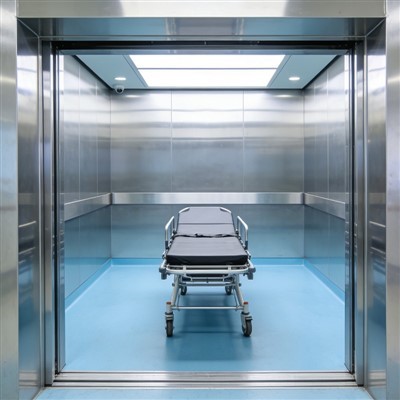
Stay safe out there, and next time you step into a lift, don’t stress – just know that if something does go sideways, there are clear, safe exit options waiting for you, you just have to know how to use them the right way.
Car Elevator References:
- Elevator Safety Requirements, American Society of Mechanical Engineers (ASME) A17.1
- Emergency Procedures for Passenger Elevator Entrapment, National Elevator Industry, Inc. (NEII)
- Elevator Maintenance and Entrapment Response Best Practices, International Association of Elevator Contractors (IAEC)
Weibo Elevator Co., Ltd.
We’re well-known as one of the leading passenger lifts manufacturers and suppliers in China, specialized in providing high quality custom service for global clients. We warmly welcome you to buy high-grade passenger lifts at competitive price from our factory.
Address: Dongxiang Road, Nanxun Economic Development District, Huzhou City, Zhejiang Province, China
E-mail: zoey@webstar.net.cn
WebSite: https://www.webstar-elevators.com/
