Hey there! As a supplier of hydraulic power supplies, I often get asked about the noise level of these machines. It’s a crucial factor, especially for those who need to operate them in noise – sensitive environments. So, let’s dive right into what the noise level of a hydraulic power supply is all about. Hydraulic Power Supply
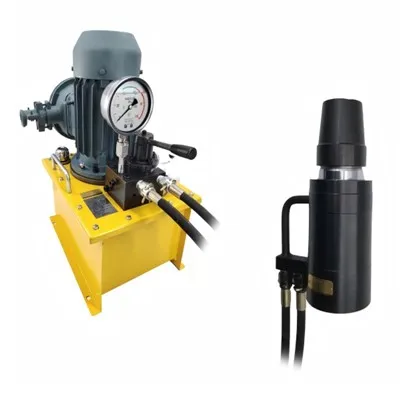
First things first, what makes a hydraulic power supply make noise? Well, it mainly comes from a few key components. The pump is one of the biggest culprits. When it’s working, it has to move hydraulic fluid around, and this process creates vibrations. These vibrations then turn into sound waves, which we hear as noise. The motor that drives the pump also contributes to the noise. Motors have moving parts, and as they spin, they generate a certain amount of mechanical noise.
The noise level of a hydraulic power supply is usually measured in decibels (dB). A decibel is a unit that quantifies the intensity of sound. For context, a normal conversation between two people is around 60 dB, and a vacuum cleaner typically operates at about 70 – 80 dB. Now, the noise level of hydraulic power supplies can vary widely depending on several factors.
One of the main factors is the size and power of the unit. Generally speaking, larger and more powerful hydraulic power supplies tend to be noisier. This is because they have bigger pumps and motors that need to work harder to move more fluid and generate more pressure. For example, a small – scale hydraulic power supply used for light – duty tasks, like operating a small hydraulic press in a workshop, might have a noise level of around 70 – 75 dB. On the other hand, a large industrial – grade hydraulic power supply used in a heavy manufacturing plant could reach noise levels of 85 dB or even higher.
The design of the hydraulic power supply also plays a huge role in its noise output. Some manufacturers, including us as a supplier, invest a lot of time and effort in designing quiet – running systems. We use advanced pump technologies that reduce vibrations and noise. For instance, some pumps are designed with special impellers or pistons that move the fluid more smoothly, resulting in less noise. Additionally, we use high – quality motors that are engineered to run quietly. These motors often have better insulation and more precise bearings, which minimize mechanical noise.
The type of hydraulic fluid used can also impact the noise level. A high – quality hydraulic fluid with the right viscosity can help the pump operate more efficiently and quietly. If the fluid is too thick or too thin, it can cause the pump to work harder, leading to increased noise. We always recommend using the hydraulic fluid that is specifically recommended for our power supplies to ensure optimal performance and minimal noise.
Another important aspect is the installation and maintenance of the hydraulic power supply. If the unit is not installed correctly, it can cause excessive vibrations and noise. For example, if the power supply is not properly secured to a stable surface, it can shake during operation, amplifying the noise. Regular maintenance is also crucial. Over time, the components of a hydraulic power supply can wear out, which can lead to increased noise. By keeping the unit well – maintained, such as changing the filters regularly, checking the fluid levels, and lubricating the moving parts, we can keep the noise level in check.
Now, why is the noise level of a hydraulic power supply so important? Well, for one, in many workplaces, there are strict regulations regarding noise exposure. High noise levels can cause hearing damage to workers over time. So, if a company uses a noisy hydraulic power supply, they might be in violation of these regulations, which can lead to fines and legal issues. Moreover, a noisy work environment can be distracting and stressful for employees, which can affect their productivity and overall well – being.
In some applications, such as in medical or laboratory settings, noise is a major concern. These environments require a quiet atmosphere to ensure accurate measurements and a comfortable working environment. A noisy hydraulic power supply can disrupt sensitive equipment and experiments, so a low – noise unit is essential.
As a supplier, we understand the importance of providing hydraulic power supplies with acceptable noise levels. We offer a range of products, from small, quiet units for light – duty applications to larger, more powerful ones with advanced noise – reduction features for industrial use. Our team of experts can help you choose the right power supply based on your specific needs, including the acceptable noise level for your application.
If you’re in the market for a hydraulic power supply and want to know more about the noise levels of our products, don’t hesitate to reach out. We’re here to answer all your questions and help you make an informed decision. Whether you’re a small business owner looking for a quiet solution for your workshop or an industrial giant in need of a high – performance, low – noise power supply, we’ve got you covered.

Contact us to discuss your requirements and start a procurement conversation. We’re confident that we can provide you with a hydraulic power supply that meets your needs and keeps the noise to a minimum.
Cable Tensioner References
- "Hydraulic Systems: Design, Installation, and Maintenance" by an industry – recognized author
- Technical reports from leading hydraulic equipment manufacturers on noise reduction in power supplies
- Occupational safety and health regulations regarding noise exposure in the workplace
Changzhou Truyou Mining Equipment Co., Ltd.
As one of the most professional hydraulic power supply manufacturers and suppliers in China, we have world-leading production equipment and strong manufacturing capabilities. Please rest assured to buy advanced hydraulic power supply made in China here from our factory. Customized orders are welcome.
Address: No. 186 Hongxi Road, Niutang Town, Wujin District, Changzhou City, Jiangsu Province
E-mail: info@truyoucoalmining.com
WebSite: https://www.truyoucoalmining.com/
